
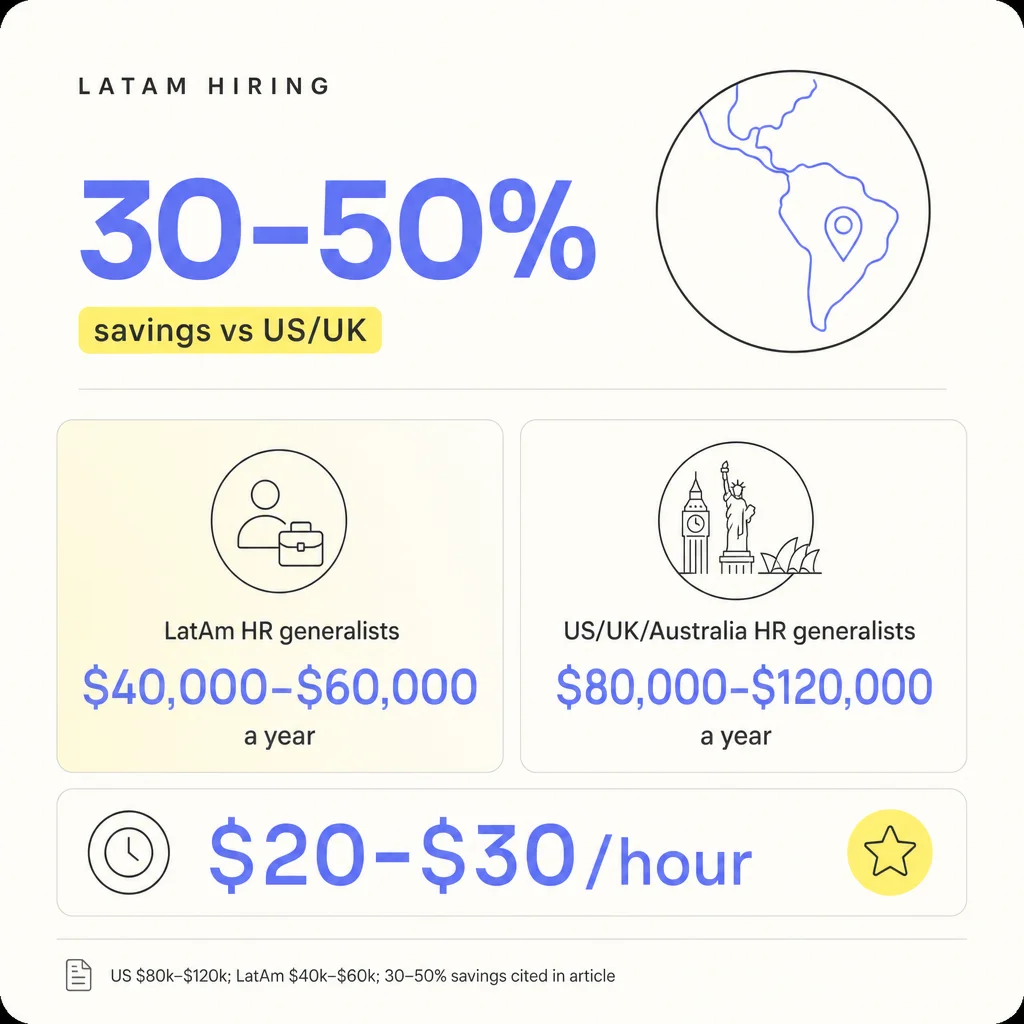
The talent pool in Latin America is deeper than most people realize.
Argentina has about 80% English proficiency among professionals.
Colombia sits around 70%.
These aren’t people struggling through basic conversations. They’re running meetings, writing policies, and handling employee issues in fluent English.
Many have US certifications: SHRM, PHR the real deal.
They’ve worked for multinational companies and understand American business culture better than you’d expect.
Sometimes better than people who’ve never left Ohio.
The Part That’s Actually Hard
Time zones are annoying but manageable.
The real challenges? Nobody talks about these.
Cultural communication differences are real. Not bad — just different.
Latin American professionals often build relationships first, then get to business. Americans often want to skip the relationship part and solve the problem. Neither is wrong. But if you don’t know this going in, you’ll misread each other constantly.
Legal stuff gets messy fast. The IRS has opinions about who’s a contractor versus an employee. Australia’s Fair Work Act has different opinions. You can’t just hire someone and hope it works out.
Platforms like Deel or Papaya Global handle this automatically. They’re not cheap, but misclassifying someone costs way more. Employers using these tools report 40% lower turnover. That stat surprised me until I realized: when people get paid correctly and on time, they stick around.
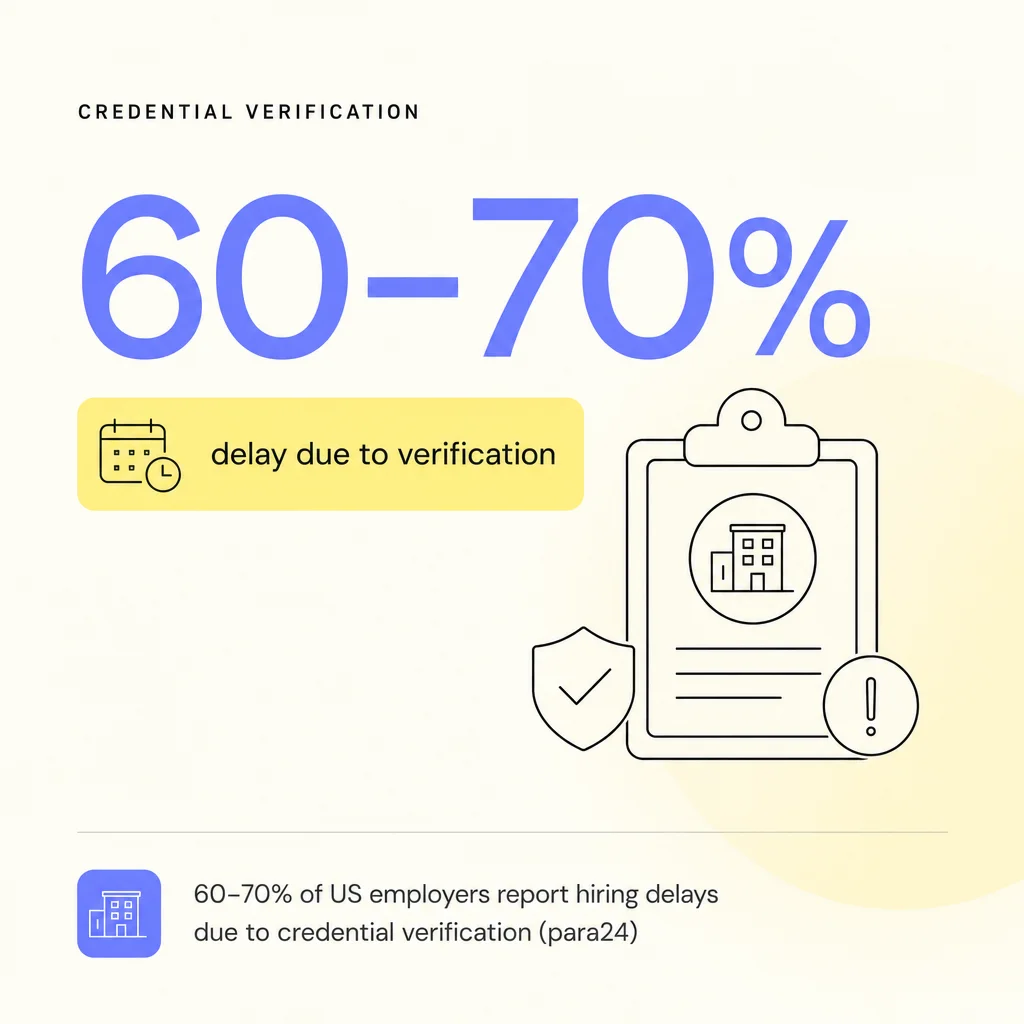
Qualification verification is a headache. About 60–70% of US employers report hiring delays because they can’t verify local credentials. A degree from Universidad de los Andes is excellent — but does your HR team know that? Probably not.
How to Actually Do This (Step by Step)
Forget the theory. Here’s what works.
Start with clarity. Write down exactly what you need. Don’t post some vague “HR generalist needed” job. Specify responsibilities: recruiting, onboarding, US labor law knowledge, and specific tools like BambooHR or Workday.
The more specific you are, the better candidates you get. Vague job posts attract everyone. Specific posts attract the right person.
Source smartly. LinkedIn works, but you’ll drown in applications. Add “remote LATAM only” to your posting. You’ll still get 500+ applicants a week, but at least they’re in the right region.
HireTalent.LAT — Pre-vets freelancers while giving you complete control of the hiring process without the high fees.
Upwork works too — filter by Colombia or Brazil and look for 4.8+ star ratings.
Universities are a secret source. Universidad de los Andes in Colombia produces excellent HR professionals; their alumni networks are active. Reach out.
Screen harder than you think you need to. Minimum three years’ experience. English C1 or higher (advanced, not intermediate). Tools experience that matches yours.
Use actual tests. SHRM offers assessments that one employer said filtered out 75% of people who looked good on paper but couldn’t do the work.
Do role-plays:
“Handle an FMLA request from a US employee.”
“Advise on a Fair Work dispute in Australia.”
You’ll immediately see who knows their stuff.
The interview matters more than the resume. Two to three video calls minimum. Not because you don’t trust them, but because communication is everything in remote work.
Can they explain complex HR topics simply? Do they ask good questions? Can you imagine talking to this person when something’s on fire at 4 PM on a Friday? If the answer’s no, keep looking.
The Contract and Keeping Them
Start with three months. $15–25/hour depending on experience. Fixed-price milestones work better than open-ended hourly at first.
Cap it around $2,000 a month initially and see how it goes.
If they’re good — and you’ll know within a month — convert them to full-time. Offer a clear path up. Equity if you can. A 10–15% raise after six months.
This isn’t charity. Turnover in Latin America drops 50% when people see a future. Replacing someone costs you 3–6 months of productivity. Do the math.
Use proper tools: Wise for payments ; Slack and Zoom for communication. Set core hours — maybe 2–6 PM EST — and let everything else be flexible.
The Risks Nobody Mentions (And How to Handle Them)
Data privacy laws in Latin America aren’t as strict as GDPR. If you’re handling EU employee data, use solid NDAs and security protocols.
Burnout is real when someone’s working evening shifts to match your morning. Check in on this regularly.
Skill gaps exist. An excellent HR professional from Mexico City might not know anything about Australian superannuation or UK pension rules. That’s fine train them. Coursera and similar platforms have relevant courses. Budget time for this.
Here’s an unconventional solution that works: hybrid teams. One Latin American HR person plus one local person covers more hours, brings different perspectives, and lets the local person handle region-specific issues.
The Bottom Line
Hiring HR generalists from Latin America works.
Not because the talent is “cheaper,” but because it’s genuinely good and happens to cost less.
You’ll save money, get skilled and flexible professionals who care about doing good work, and probably get better coverage hours than a single local hire.
But you can’t be lazy about it. Screen properly. Pay fairly. Train on your specific needs. Treat people like people, not cost-saving measures.
Do that, and you’ll wonder why you didn’t do this years ago.
Author

Ready to Find Your Next Great Hire?
Join our growing community of employers and start connecting with skilled candidates in Latin America.